
The Thanksgiving holiday marks the beginning of one of the busiest travel periods of the year. Families across Texas take to the highways to visit loved ones, and that often leads to a dramatic increase in traffic accidents. In fact, studies show that traffic accidents rise significantly during the Thanksgiving holiday. The combination of long-distance driving, bad weather conditions, and distracted or fatigued drivers creates an ideal scenario for car crashes. In Texas, a state known for its sprawling highways and fast-moving traffic, these risks are even higher.
According to the Texas Department of Transportation, approximately 20% of all road fatalities occur during holiday weekends, with Thanksgiving being one of the most dangerous. Whether you’re traveling on I-10, I-35, or any other major Texas highway, the roads are more likely to be congested, making the possibility of an accident higher.
As you plan your Thanksgiving travels this year, it’s crucial to understand the increased risks on the road and take proper precautions to avoid accidents. But if you do find yourself involved in a holiday crash, knowing the steps to take can make all the difference in ensuring your safety and protecting your legal rights.
What to Do Immediately After a Car Accident on Thanksgiving Weekend: 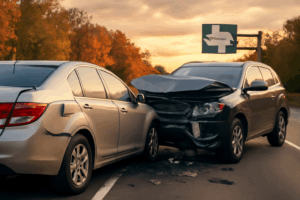
Thanksgiving weekend can be chaotic, and if you’re injured in an accident during this busy travel period, the aftermath can be overwhelming. Knowing exactly what to do can help protect your safety, health, and legal rights. Here are the first steps to take if you are involved in a car crash:
- Check for Injuries:
Your safety and well-being should always be the top priority. Check yourself and passengers for injuries immediately. If anyone is injured, call 911 to request emergency medical assistance. Even if injuries seem minor, it’s always wise to get checked by a doctor, as some injuries can take time to show symptoms. - Move to a Safe Location:
If possible, move your vehicle to the shoulder of the road or another safe area. This helps prevent further accidents and reduces the risk of injury to other drivers. However, do not attempt to move the vehicle if it could worsen the situation or if someone is injured. - Call the Police:
After assessing the situation, call the police to report the accident. A police report is an important document that can help establish the facts of the accident later. It also helps determine if there are any citations or criminal charges involved. - Document the Scene:
If you are physically able, take photos of the accident scene, including the position of the vehicles, damage to property, road conditions, and any visible injuries. If there are any witnesses, collect their contact information as well. - Exchange Information:
Exchange insurance information with the other driver(s), including their names, contact details, driver’s license numbers, and vehicle registration. Avoid discussing fault at the scene—leave that for the insurance adjusters and legal professionals to determine. - Seek Medical Care:
Even if you don’t feel immediate pain, some injuries, such as whiplash or concussions, may not show symptoms right away. It’s important to seek medical attention after the accident, even if you think you’re fine. Documenting your injuries early on helps with any insurance claims and personal injury lawsuits. - Notify Your Insurance Provider:
Report the accident to your insurance company as soon as possible. Be honest about the details and provide them with all the information they need. The sooner you notify them, the faster they can begin processing your claim.
Why Thanksgiving Accidents Are More Common in Texas:
Several factors make Thanksgiving one of the deadliest times for driving accidents. From drunk driving to the sheer number of vehicles on the road, these factors can increase the likelihood of a crash:
- Increased Traffic Volume:
Texas is one of the largest states in the U.S., and its highways see high traffic volumes year-round. However, during the Thanksgiving holiday, the traffic increases exponentially as people drive to visit family and friends. This heavy congestion often leads to accidents as drivers are more likely to take risks or get impatient in slow-moving traffic. - DUI-Related Accidents:
The holiday season is also known for an increase in alcohol consumption, and Thanksgiving is no exception. People may be traveling long distances to visit family or attending holiday parties where alcohol is served. Driving under the influence (DUI) is a major contributor to car accidents during Thanksgiving weekend, leading to fatal crashes across the state. - Weather Conditions:
In Texas, the weather can be unpredictable. During Thanksgiving, there may be rain, fog, or even icy conditions in certain areas, especially in the northern parts of the state. These weather patterns can make the roads slippery, reducing traction and making it more likely for vehicles to lose control. - Fatigue and Distracted Driving:
Long-distance travelers are often fatigued and may not be as alert as they should be when driving. Additionally, distractions such as mobile phones, GPS devices, or even conversations with passengers can lead to accidents. When combined with unfamiliar roads or long travel hours, driver fatigue can have serious consequences.
Legal Options After a Car Accident in Texas:
If you’ve been injured in a car accident in Texas during Thanksgiving, understanding your legal rights is crucial. Depending on the circumstances of the crash, you may be entitled to compensation for medical bills, lost wages, and pain and suffering. Here are a few legal options available:
- Filing an Insurance Claim:
In Texas, you are required to carry liability insurance, which can help cover the costs of injuries and damages caused by the accident. If you were not at fault, you can file a claim with the at-fault party’s insurance company. If the other driver is uninsured or underinsured, your own insurance policy’s uninsured motorist coverage may come into play. - Personal Injury Lawsuit:
If your injuries were caused by someone else’s negligence, you have the right to file a personal injury lawsuit. Texas follows comparative fault laws, meaning you can still recover damages even if you are partially responsible for the accident. However, your compensation will be reduced by the percentage of fault attributed to you. - Dealing with Drunk Driving Accidents:
If the accident involved a driver under the influence of alcohol or drugs, you may be able to pursue additional damages beyond what the insurance company offers. In these cases, punitive damages may be available if the at-fault driver’s behavior was particularly reckless.
How Bowen Law Firm Can Help You After a Holiday Car Accident in Texas:
If you’ve been involved in a Thanksgiving car accident, Bowen Law Firm, PLLC, can help you navigate the legal process. Our experienced personal injury attorneys have handled countless cases, and we understand the complexities involved in accidents during peak travel times. We’ll work with you to ensure that you receive the compensation you deserve.
Our team will assist you in investigating the accident, gathering evidence, negotiating with insurance companies, and if necessary, representing you in court. We’re here to guide you every step of the way, ensuring that your rights are protected and that you can focus on recovering from your injuries.
If you or a loved one has been injured in a car accident during Thanksgiving, don’t wait to seek legal help. At Bowen Law Firm, PLLC, we offer compassionate and dedicated legal support to individuals throughout Texas. Reach out to us at (713) 255-7247 or visit our website at https://www.bowenlf.com/contact/ to schedule a consultation.
Disclaimer:
This article is for informational purposes only and is not legal advice. Consult an attorney about your specific situation.