
In Houston, severe weather conditions, including icy roads and fog, often lead to dangerous multi-vehicle crashes. Determining who pays for damages in such pileups depends on several factors. This piece will explore the nuances of liability in these cases, how insurance policies come into play, and what drivers can do to protect themselves.
Icy Roads, Fog, and 10-Car Pileups Around Houston: Who Pays In A Multi-Vehicle Crash?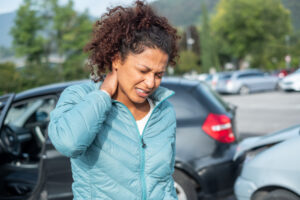
Houston’s weather can be notoriously unpredictable, and while most associate the area with sunny skies and humid summers, the colder months bring their own set of challenges for drivers. Rare icy roads, fog, and dangerous weather patterns are not uncommon, especially in the early mornings and late evenings. These conditions often lead to tragic multi-vehicle pileups, sometimes involving as many as 10 cars or more. But who is responsible when such a crash occurs? Is it the driver, the government agency responsible for road maintenance, or the insurance companies?
Understanding the factors at play and who bears the financial responsibility is crucial, especially when there are multiple drivers involved in a complicated and often devastating accident.
What Causes Multi-Vehicle Pileups in Houston?
Houston’s highways, while typically busy, become even more perilous when winter weather takes hold. When icy roads and fog combine, the risk of a multi-vehicle pileup rises dramatically. To better understand who should pay in these cases, we must first break down the conditions that lead to such accidents.
Icy Roads: A Serious Safety Hazard
Ice, while rare, can form quickly when temperatures dip, especially during Houston’s early morning hours. As the sun rises and melts away moisture, the temperature can quickly drop again, leading to hazardous black ice on bridges, overpasses, and intersections. Drivers unfamiliar with these conditions may not realize how slippery the roads are, causing a chain reaction of accidents.
Even if drivers are cautious, there is still a risk they may lose control, especially when icy patches are invisible or hard to detect. Drivers who don’t adjust their speeds or who follow too closely in such conditions can quickly become involved in a crash.
Fog: Low Visibility and High Risk
Fog is another weather condition that can drastically impair visibility, making it difficult for drivers to see other vehicles, stop signs, or even road hazards. The fog typically develops in the cooler months of the year, especially during early mornings or late evenings, creating a perfect storm for accidents.
On heavily trafficked roads like those in Houston, a driver may not realize how close they are to other vehicles until it is too late. In cases where multiple vehicles are involved, it’s not uncommon for drivers to be unaware of an impending collision due to limited sight distance. Combined with other vehicles also driving cautiously, this can result in catastrophic accidents.
Combining Ice and Fog: A Deadly Combination
When icy roads and fog occur simultaneously, drivers may not see each other until it’s far too late to react. Fog reduces visibility, while ice creates treacherous driving conditions. The combination of these two factors is enough to make it difficult for drivers to judge distances, follow traffic signals, or anticipate changes in traffic flow. These conditions are often the cause of chain reactions in multi-vehicle pileups, as a driver may not have time to stop or maneuver to avoid a crash.
Determining Liability in Multi-Vehicle Crashes
When a multi-vehicle crash occurs due to icy roads or fog, determining liability can be challenging. Several factors come into play, and insurance companies often work closely with law enforcement and accident reconstruction teams to establish who is at fault. Let’s break down how liability is generally assigned in multi-vehicle crashes, particularly those involving bad weather.
Driver Negligence: The Primary Cause of Many Accidents
In any crash, negligence is often a key factor in determining who is responsible. In the case of icy roads and fog, negligence occurs when drivers fail to adjust their driving behavior to account for hazardous conditions.
- Speeding: One of the primary causes of accidents in adverse weather is speeding. Even when roads are icy or visibility is limited, many drivers fail to reduce their speed. Speeding makes it difficult to stop in time and increases the likelihood of losing control.
- Tailgating: Drivers who follow too closely, especially in icy or foggy conditions, are more likely to cause a chain reaction in a multi-vehicle crash. With reduced stopping distance, a rear-end collision can easily escalate into a pileup.
- Failure to Yield or Stop: Whether at a stop sign, a red light, or a merge lane, failing to yield to other drivers or stop when necessary can result in accidents that involve multiple vehicles, especially when weather conditions make it harder to react quickly.
In these cases, the driver at fault for such negligence can be held liable for the damages caused to other drivers involved in the crash. Their liability insurance typically covers the damages to other vehicles and property, up to the policy limits.
Weather Conditions and Responsibility
In some instances, the weather itself may be seen as a contributing factor to an accident, making it less clear who is at fault. If the weather was so severe that a reasonable driver could not have foreseen the risk of accidents, it may be considered an act of nature, rather than driver negligence.
For example, if a driver loses control on a stretch of road that was unexpectedly icy or if visibility dropped suddenly due to fog, it may be difficult to assign blame. However, in these cases, the burden of responsibility often falls on the drivers who failed to adapt to the conditions—such as those who continued at their usual speed despite the weather.
In some cases, government entities responsible for road maintenance may also be partially liable. For instance, if an accident occurred because roads weren’t salted or plowed in time to prevent icy conditions, the government agency could be held responsible for not properly maintaining the roads. However, this is relatively rare, and proving negligence on the part of a government entity is usually more complicated.
How Insurance Comes Into Play
Once liability is established, the question becomes: how is the damage compensated? Insurance plays a significant role in these cases, but understanding the different types of coverage is essential to determine how claims will be processed.
Liability Insurance: Covering Other Drivers’ Damages
If you are found at fault in an accident, your liability insurance is designed to cover the damages to other vehicles involved in the crash. This coverage includes repairs to the vehicles, medical bills for injuries sustained, and property damage. However, liability insurance only covers the other party’s damages and not your own.
Collision Insurance: Protecting Your Vehicle
Collision insurance will cover the damages to your own vehicle, regardless of who is at fault in the accident. In multi-vehicle pileups caused by poor road conditions, your collision insurance may be the only way to recover your damages if the other party is uninsured or underinsured.
However, keep in mind that insurance companies may question claims when weather-related accidents occur, especially if the conditions were extreme or unexpected. This is why it’s crucial to have thorough documentation, such as photos of the scene and weather reports, to support your claim.
Uninsured/Underinsured Motorist Coverage: Protecting Against Uninsured Drivers
In multi-vehicle pileups, one or more drivers may not have sufficient insurance to cover the damages caused. If this happens, your uninsured or underinsured motorist coverage can step in to pay for the damages. This type of coverage is especially important if you’re in a pileup where multiple vehicles are involved, and some drivers may not have adequate coverage to protect you.
What to Do After a Multi-Vehicle Pileup
The aftermath of a multi-vehicle pileup can be overwhelming, especially in poor weather conditions. Knowing what to do immediately after the crash is essential for your safety and to ensure that you receive the compensation you’re entitled to.
Check for Injuries and Call Emergency Services
The first priority should always be to check for injuries. If you or anyone else is hurt, call 911 immediately. Even if no one appears to be seriously injured, it’s crucial to have medical professionals assess the situation.
Document the Scene Thoroughly
Take photographs of the accident scene, road conditions, and any visible damages. If possible, also capture the weather conditions at the time of the crash, as this can play a role in determining liability. Make sure to collect contact and insurance details from all drivers involved in the accident.
Speak with an Experienced Attorney
Given the complexities of multi-vehicle accidents, especially when weather is a factor, consulting with a personal injury attorney is highly recommended. An experienced lawyer can help you navigate the claims process, ensure that your insurance coverage is applied properly, and represent your interests if the accident leads to a lawsuit.
When icy roads and fog combine to cause a multi-vehicle pileup, the situation can be complex, both emotionally and legally. Understanding how liability is determined and what insurance coverage you have is crucial in protecting your rights. The aftermath of a crash is stressful, but knowing the steps to take—checking for injuries, documenting the scene, and consulting with an attorney—can help you recover from the ordeal.
If you’ve been involved in a multi-vehicle crash in Houston, Bowen Law Firm, PLLC is here to help. Our experienced attorneys can assist you in navigating the legal and insurance processes to ensure you receive the compensation you deserve.
If you need assistance with your personal injury case following a multi-vehicle accident, contact Bowen Law Firm, PLLC today for a consultation. Our experienced attorneys are ready to help you!
To learn more about this subject click here: How do negligence and fault work in a Texas car wreck?