
Summary
A slip and fall at a Texas fall festival may support a premises liability claim when an owner, occupier, festival organizer, vendor, contractor, or another party controlled the area where the injury happened and the facts satisfy the applicable legal requirements. At a Houston-area festival, hazards may include spilled drinks, mud, standing water, loose cords, temporary flooring, poor lighting, damaged pavement, debris, or equipment extending into walkways.
For many festival attendees who qualify as invitees, a Texas premises liability claim can require proof that the responsible party had actual or constructive knowledge of an unreasonably dangerous condition, failed to use reasonable care to reduce or eliminate the risk, and that the condition caused the injury.
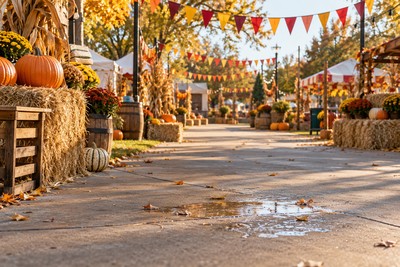
Because several businesses or organizations may share responsibility for different parts of a temporary event, identifying who controlled the exact area where you fell can be one of the most important parts of the investigation.
Bowen Law Firm, PLLC represents personal injury clients in Houston, Harris County, and nearby Texas communities.






Who May Be Liable for a Fall Festival Slip and Fall?
A fall festival can involve a property owner, event organizer, food vendors, retail vendors, security companies, maintenance crews, lighting contractors, tent companies, and other businesses. The party whose name appears on the event entrance is not always the only party that should be investigated.
Depending on the facts, responsibility may involve:
- The property owner or occupier
- The festival organizer or event management company
- A vendor that created or controlled a hazard near its booth
- A contractor responsible for flooring, tents, lighting, electrical cords, cleanup, or crowd control
- Another business that controlled the specific area where the fall occurred
- A governmental unit when the event takes place on public property and the requirements for a claim against that entity are satisfied
Control matters because premises liability generally focuses on the party that owned, occupied, or controlled the area and had responsibility for the condition at issue.
A property owner is not automatically responsible because someone fell. The injured person still must prove the legal elements that apply to the claim.
Learn more about the firm’s Houston personal injury practice:
https://www.bowenlf.com/houston-personal-injury-lawyers/



What Conditions Can Cause a Slip and Fall at a Fall Festival?
Temporary events can create conditions that change throughout the day. Food service, crowds, weather, lighting, decorations, temporary walkways, and electrical equipment can all affect pedestrian areas.
Potential hazards may include:
- Spilled cider, soda, grease, or melted ice near food vendors
- Mud or standing water in walking areas
- Loose rugs, mats, plywood, or temporary flooring
- Extension cords or hoses crossing pedestrian paths
- Uneven pavement, potholes, or damaged curbs
- Poor lighting after sunset
- Leaves, trash, food, or decorations in walking paths
- Unstable ramps or temporary steps
- Merchandise, signs, or booth equipment extending into aisles
A fall alone does not prove that another party was legally responsible. The condition that caused the fall, how dangerous it was, who controlled the area, who created the condition, how long it existed, and whether the responsible party had a reasonable opportunity to discover and address it can all matter.
Why Actual and Constructive Knowledge Matter in a Texas Premises Liability Claim
Knowledge of the dangerous condition is a central issue in many Texas premises liability cases.
Actual knowledge may exist when the responsible party knew the dangerous condition was present before the injury.
Constructive knowledge can become an issue when the condition existed long enough that the responsible party should have discovered it through reasonable inspection or attention to the premises.
At a fall festival, evidence related to knowledge may include:
- A vendor employee creating the spill or obstruction
- A prior complaint or report about the hazard
- Inspection or cleanup records
- Photographs or video showing how long the condition may have existed
- Witness statements
- Surveillance footage
- Event staff communications
- Maintenance schedules
- Prior incidents involving the same condition
Evidence about timing can be especially important when a claim depends on constructive knowledge.
Temporary events create another challenge because evidence can disappear quickly. Booths may be dismantled, cords may be removed, temporary flooring may be taken away, spills may be cleaned, and vendors may leave the property shortly after the event ends.
Documenting the area promptly can help preserve information that may be difficult to obtain later.
I had the pleasure of meeting Mr. Bowen and his team. I was extremely impressed! They were all so knowledgeable and personable! I would highly recommend Mr. Bowen. His expertise, professionalism, he's extremely knowledgeable, kind, he has a strong passion for his clients and community. He is also a veteran and very easy to communicate with. I will most certainly be using him for our family lawyer!

Sharon D.
I really appreciate Bowen taking the time to talk with me. Even though he didn’t take my case as I am out of state, he gave me honest guidance without any runaround. He’s straightforward, to the point, and truly genuine in the way he communicates. That kind of honesty is rare to find, and it meant a lot to me. If you’re looking for someone who will be upfront and real with you, Bowen is that kind of attorney!
Raelyn B.
Boe is one of the hardest workers I know. He's caring, compassionate, yet aggressive and tough against the opposition. Boe never quit on me and that meant a lot - he went above and beyond to help me get the best result possible. He was always available to speak to and he always listened to my issues. He communicates well which was important to me. He's a fighter and he cares about his clients
Ray H.
What Should You Do After a Slip and Fall at a Fall Festival?
Your health should come first. Seek appropriate medical care, especially if you struck your head, injured your neck or back, or have difficulty walking after the fall.
If your condition allows you to do so, take practical steps to preserve information about what happened.
You can:
- Report the incident to festival staff, security, or the business responsible for the area.
- Ask for the name of the company, organization, or governmental unit operating the event.
- Photograph the exact condition that caused the fall before it changes.
- Take wider photographs showing the surrounding walkway, booth, lighting, signs, and nearby conditions.
- Get names and contact information from witnesses.
- Keep your ticket, receipt, wristband, parking record, or registration confirmation.
- Save medical records and bills related to the injury.
- Keep damaged clothing or footwear when it may be relevant.
- Write down what you remember while the details are fresh.
- Avoid posting detailed statements about the incident or your injuries on social media.
Preserving evidence can help identify the responsible parties and clarify what the area looked like at the time of the fall.
Can More Than One Party Be Responsible?
Yes. A single fall can involve more than one potentially responsible party.
Consider a visitor who slips near a food vendor after sunset. The vendor may have created the spill. The organizer may have been responsible for inspecting common walkways. A lighting contractor may have controlled lighting in that area. The property owner may have retained responsibility for pavement conditions.
Determining responsibility may require reviewing:
- Festival contracts
- Vendor agreements
- Property leases
- Maintenance agreements
- Insurance information
- Inspection procedures
- Cleanup assignments
- Lighting responsibilities
- Control over the location where the fall occurred
Texas proportionate responsibility rules can also affect a claim. A fact finder may assign percentages of responsibility among parties whose conduct contributed to the injury. If the injured person is assigned a percentage of responsibility, that percentage can reduce the amount recoverable. Texas law can bar recovery when the claimant’s percentage of responsibility is greater than 50 percent.
A defense may argue that the injured person ignored a warning, entered a restricted area, was distracted, or failed to observe a condition. Those arguments do not decide the case by themselves. They are part of the factual analysis.
What If the Festival Is Held on City or County Property?
A fall on public property can involve rules that differ from claims against private businesses or property owners.
The Texas Tort Claims Act addresses certain claims against governmental units, including some claims involving premises conditions. Governmental immunity, the nature of the condition, the injured person’s status, and other statutory requirements can affect whether a claim may proceed.
Notice requirements can also apply. Texas law generally requires notice of a claim under the Texas Tort Claims Act within six months of the incident, and city charter or ordinance provisions may impose a different permitted notice period. Exceptions can apply in some circumstances.
If your injury happened at a festival on public property, preserve materials that identify the entity connected to the event, including:
- Tickets
- Registration confirmations
- Emails
- Event flyers
- Parking records
- Sponsorship information
- Incident reports
A claim involving a governmental unit should be reviewed promptly because a notice requirement can arise before the ordinary personal injury filing deadline.
How Long Do You Have to File a Texas Slip and Fall Lawsuit?
Texas generally applies a two-year statute of limitations to personal injury lawsuits.
That does not mean you should wait two years to investigate a fall festival injury.
Evidence from temporary events can disappear long before the filing deadline. Surveillance footage may be overwritten. Witnesses may forget details. Vendors may become difficult to locate. Temporary flooring, tents, cords, and signs may be removed within hours.
Other deadlines or notice requirements may also apply depending on the parties involved and the facts of the case.
What Compensation May Be Available After a Slip and Fall?
A successful personal injury claim may seek compensation for losses caused by the injury.
Depending on the facts and available evidence, claimed damages may include:
- Past medical expenses
- Future medical expenses
- Lost income
- Loss of earning capacity
- Physical pain
- Physical impairment
- Disfigurement
- Other damages recognized under Texas law
The value of a claim depends on the evidence.
A fracture requiring surgery may create different losses from an injury that resolves after a short period of treatment. An injury that affects a person’s ability to work may create different damages from one that does not affect employment.
Liability disputes, medical evidence, employment records, insurance coverage, the need for future treatment, and the long-term effect of the injury can all affect the claim.
There is no reliable formula that determines the value of a fall festival injury claim from the accident type alone.
How a Houston Personal Injury Lawyer Can Help
A fall festival injury can involve more than a medical record and an incident report. The investigation may need to determine who controlled the area, who created the hazard, what each party knew, whether inspection procedures existed, and whether video or contract evidence is available.
A personal injury lawyer can review evidence that may include:
- Photographs and video
- Witness statements
- Medical records
- Festival contracts
- Vendor agreements
- Maintenance records
- Insurance information
- Incident reports
- Inspection records
- Available surveillance footage
Bowen Law Firm, PLLC represents personal injury clients in Houston, Harris County, and nearby Texas communities. The firm can review the circumstances surrounding a fall and help you understand which legal issues may affect your claim.
Learn more about attorney Boë Bowen:
https://www.bowenlf.com/boe-bowen/
Talk With a Houston Personal Injury Lawyer About a Fall Festival Injury
If you were injured at a fall festival because of a dangerous property condition, Bowen Law Firm, PLLC can review the location, available evidence, parties involved, and legal issues that may affect your options.
Call 713-255-7321 to schedule a legal consultation:
Contact Bowen Law Firm, PLLC:
https://www.bowenlf.com/contact/
This article is for informational purposes only and is not legal advice. Every premises liability claim depends on its specific facts. Consult an attorney about your situation.